
For everything, there is a season, and when it comes to gardening, you may find that a certain garden method works better for you. When you start a garden you’ll have to consider how much space you have for it, how much energy and time you have for it, and how much you want to invest in getting it started. Other factors will also come into play such as what you want to grow and what you hope to gain from it. Are you trying to grow your own food? Are you looking to have a small herb garden? Perhaps you just want a few flowers to brighten up your yard. Depending on the season you’re at in your life now, there may be a gardening method out there that’s better suited for you. Let’s take a look at 5 different garden methods and the pros and cons of each.
In-Ground Planting Method
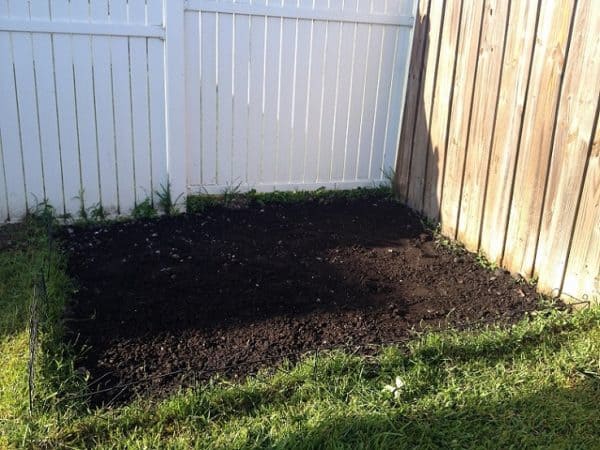
In-ground planting is the most basic of garden methods, but it can also prove to be difficult in terms of what can grow based on your soil quality. If you have any sod you would need to first remove it, and possibly start to amend your soil so that it’s more suitable for what you’re growing. Some plants need fewer nutrients, so those may do better with in-ground planting at the beginning.
Pros: Super easy to start and cheap. You can plant seeds or transplants in a patch of soil that you have without worrying about start-up costs. This method is good if you want to save money or live somewhere that already has good soil.
Cons: Good quality soil is hard to find. The land you want to start a garden on could be sandy or clay-like. Amendments added over the course of years can improve the soil you have, but if you don’t want to wait that long, or don’t already have quality soil where you live, you may want to try another gardening method.
Back to Eden Method 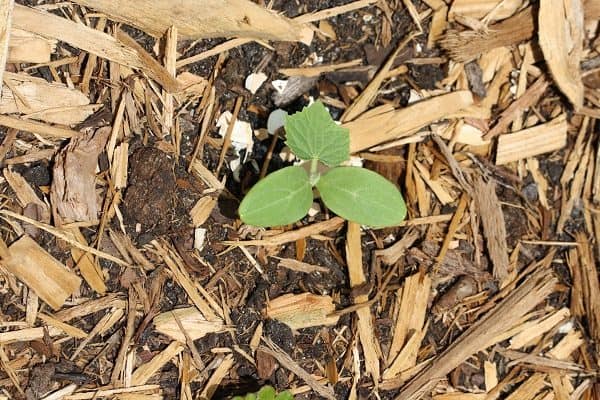

The Back to Eden method recreates nature’s intended growing environment. If you’ve ever been in a forest, take note of the ground. Is it perfectly tilled and plowed with the dirt showing? No. You can’t even see the ground with all the leaves and twigs and branches covering it. This is what’s known as ground covering, and it keeps the soil wet as well as rich with nutrients. The end goal is to not need to water or weed and only require watering from rain (or a limited amount during dry seasons).
To mirror a more natural environment for your garden to grow, the following is recommended with the Back to Eden garden method:
- 3-4 sheets of newspaper
- 3-4 inches of organic compost
- 2-4 inches of wood chips or alternative (such as straw)
- A layer of organic fertilizer on top during the spring and summer
This method can be used in combination with in-ground planting or even with raised beds.
Pros: Once your Back to Eden garden has been set up, it’s fairly self-sufficient. The purpose is for the garden to need as little human intervention as possible. This can be done large scale or small scale, depending on how much space you have. This method also limits weeds.
Cons: It takes time and energy to get this method up and running. There can also be a bit of a learning curve. Some land will be required, so this would not be recommended for apartment renters or those without a yard.
Raised Bed Gardening Method
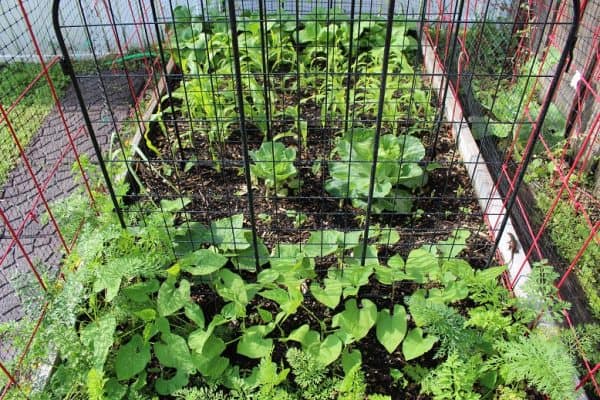
Raised bed gardening is a personal favorite of mine that I use. This method of gardening raises your soil to a higher level, both literally and in terms of quality. Raised beds can be anywhere from 4 inches tall by using a 2″x4″ plank of wood to a foot tall or higher. Sometimes referred to as garden boxes, raised beds can have a frame built out of wood, bricks, concrete blocks, or other recycled materials. These raised bed gardens are above ground, great for small-scale gardening, and allow for intensive gardening that you wouldn’t typically get from in-ground planting.
Pros: This is a quick gardening method in terms of having good quality soil for your garden. Raised bed gardening allows for a much larger area for growth compared to container gardening, while still not requiring a ton of space. Raised bed gardening is intensive gardening, meaning you can grow a lot in a small space, especially when used with square foot gardening. Maintenance is also generally easier than in-ground planting.
Cons: Can be physically intensive and time-consuming to build a raised bed and to fill the bed with quality soil and compost. Depending on the material used there can be higher costs.
Container Gardening Method

Container gardening is fairly self-explanatory. Containers and pots of any shape, size, and material can be used for your container garden. Container gardens are recommended for small-scale growing. They’re great for apartments, rentals, or any home with a porch. You don’t need a yard to have a container garden, and some can even be kept indoors with proper lighting.
Pros: Container gardens are great if you’re just getting started gardening and aren’t sure how committed you want to be. A few pots can be fairly cheap to get started and take minimal effort to get started. Pots are easy to move around and help you to grow a small amount. Containers can also be great for growing herbs.
Cons: Container gardens are not the best for large-scale gardening. There are also some vegetables and other plants that grow better in larger areas. Pot sizes can limit the growth of plants, be expensive when purchased in large quantities, and require more frequent watering compared to other garden methods.
Hydroponics Method
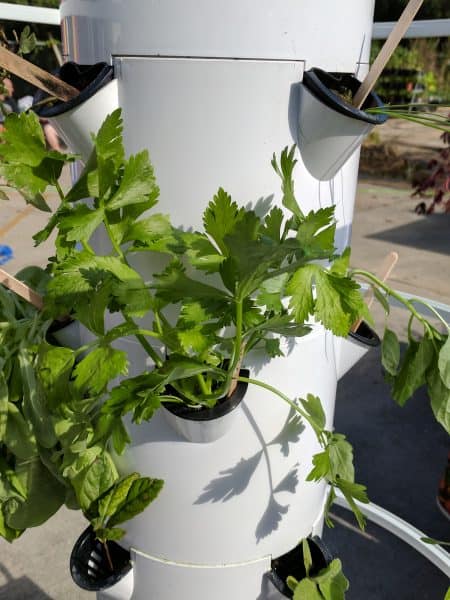
Hydroponic systems seem to be gaining more popularity lately. Hydroponics is a method of gardening that doesn’t require soil to grow – it requires water, and nutrients added to the water to help plants grow and thrive. Hydroponic systems make it possible to grow in more urban environments and other small spaces. Overall, hydroponics use less space and fewer resources for gardening. Hydroponic systems come in various sizes – such as towers as pictured above, and even indoor kitchen herb kits that you can keep on your counter.
Pros: Hydroponic gardens can be grown anywhere. Over time, less water is needed than in soil-based gardening. You really do have complete control over the nutrient balance. Less physical labor is required, and plants grow a lot faster with hydroponics than with soil-based methods.
Cons: Hydroponics systems aren’t cheap. Hydroponic systems are also much more technical and easy to mess up if you don’t know what you’re doing. Supplements used need to be checked frequently. Power outages can affect hydropic systems. Any chemical imbalances can affect plants much faster than they would in soil. I personally wouldn’t recommend this gardening method for beginner gardeners.
There are also gardening methods such as straw bale gardening, aquaponics, and vertical gardening. What garden method do you use? Comment below!


I’m definitely a fan of the Back to Eden method. It’s nature’s way and how it’s intended to grow haha.
Cheers,
Jordan